
London has long been a city of music, but is now formally recognized as a global hub of musical excellence and designated as Canada’s first and only UNESCO City of Music. So, what does that mean?
It means we’ve made a commitment to use music as a tool for positive social and economic growth. Through a lens of music, the City of London continue to working to grow and strengthen London's music sector, focused on building a more inclusive, creative, and sustainable city in line with the United Nations Sustainable Development Goals (SDGs).
Image 1 of 10



Frequently Asked Questions
- A UNESCO Creative City is a city that places creativity and cultural industries at the core of its sustainable urban development plans. Through the UNESCO Creative Cities Network (UCCN), these cities commit to sharing best practices, fostering partnerships and strengthening local cultural life to meet the UN 2030 Sustainable Development Goals.
- The UNESCO Creative Cities Network (UCCN) was created in 2004 to promote cooperation with and among cities that have identified creativity as a strategic factor for sustainable urban development. 408 cities around the world make up this network, working towards one common objective: placing creativity and cultural industries at the heart of their development plans at the local level, and cooperating actively at the international level.
- The UNESCO Creative Cities span eight creative fields: Craft and Folk Art, Design, Film, Gastronomy, Literature, Media Arts, Music, and Architecture.
- Music has 84 member cities within the network, including Bogota (Columbia), Havana (Cuba), Kingston (Jamaica) Liverpool (England), Recife (Brazil), New Orleans (USA) and Tongyeong (S. Korea).
- London has long been recognized for its deep roots in music. Our international recognition as a UNESCO City of Music reflects the city's evolving culture, strong education system and active community engagement.
- The city is a hub for music education and production, with institutions like Western University, Fanshawe College and the Ontario Institute of Audio Recording Technology developing award-winning talent.
- Inclusive local programs further support youth by providing access to training, mentorship and performance opportunities. London also hosts major national events, with a focused music strategy and strong partnerships driving continued growth and global recognition.
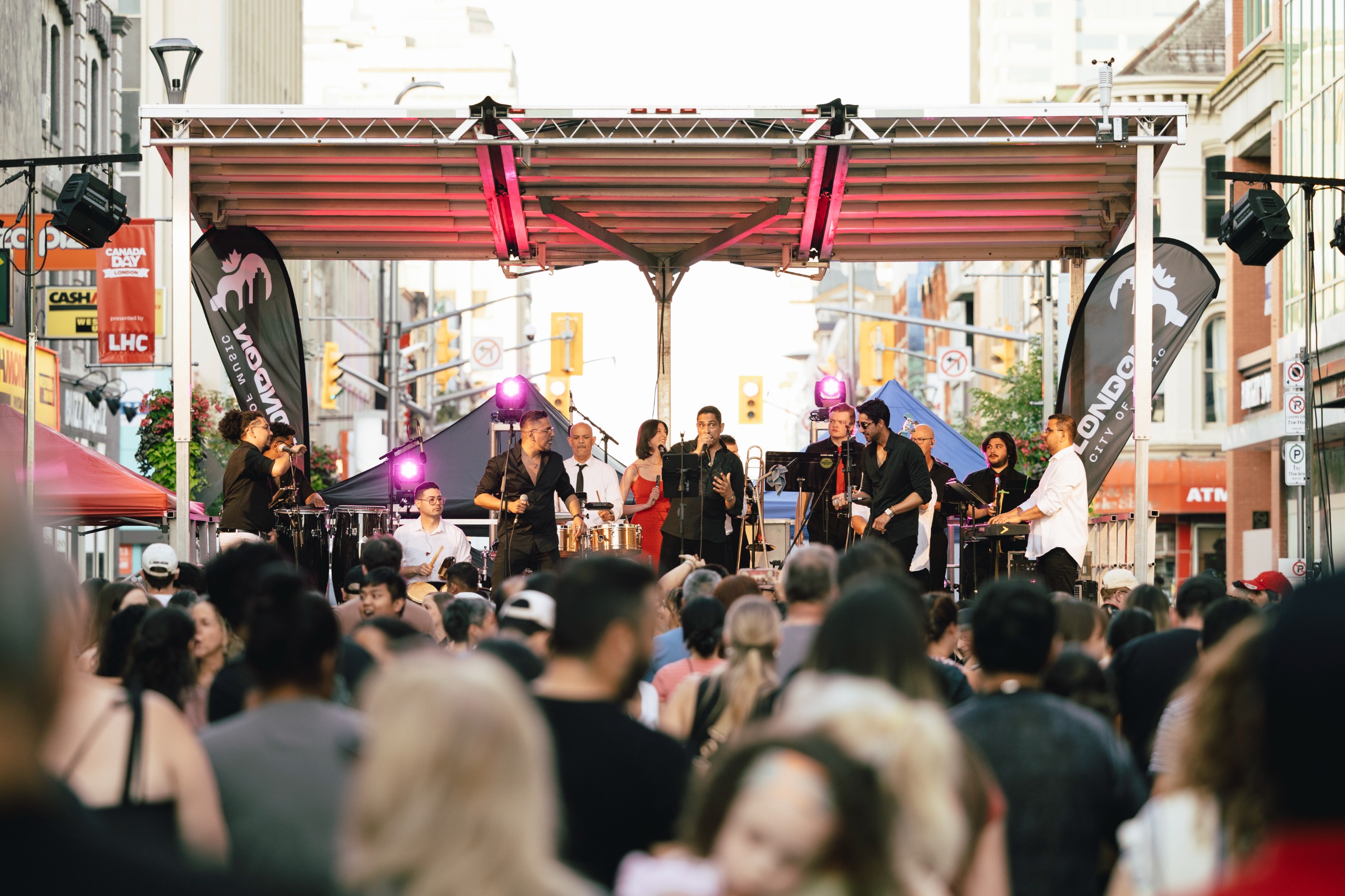
- A UNESCO City of Music designation elevates a city through vibrancy by increasing live music events, festivals, and support for local artists while also boosting tourism and creating jobs in the creative economy.
- Residents continue to benefit from this designation with expanded opportunities, community events and programs, and a stronger sense of cultural identity.
- A UNESCO City of Music designation does not come with dedicated funding. It is a commitment to use music to drive positive social and economic change.
- London's UNESCO City of Music designation has brought great interest to the city and has triggered investment from the local business community including funding programs such as the Paul Seed Fund through the London Community Foundation.
The City has adopted a 'Lens of Music' when addressing an issue or opportunity: "how is, or can music be a part of the solution?"
- Economic Development
- Job creation: Expanding the music sector creates work for artists, technicians, event staff, marketers and venue operators.
- Tourism growth: More festivals, concerts and cultural events attract visitors who spend on hotels, restaurants and local businesses.
- City branding: Being part of the UNESCO Creative Cities Network raises a city's international profile- attracting investors, talent and partnerships.
- Marketing: London is building a new international identity as Canada's only UNESCO City of Music. This title is front and centre throughout Tourism London projects, and has proved to be an effective tool to attract attention, excitement and investment to London.
- The ripple effect: Increased activity in music supports other sectors like hospitality, retail and transportation.
- Cultural Prosperity
- Policy development: Creating forward-thinking cultural policies that support artists, expand access to music and better integrate the creative sector into broader economic and urban development strategies.
- Revitalization: Vacant buildings can be transformed into music venues, studios and cultural hubs.
- Cultural identity and placemaking: Music becomes central to the city's identity, boosting pride and livability, while regular events activate public spaces, enhancing safety and vibrancy.
Some recent examples of action include:
- Yes. London's UNESCO City of Music Action Plan (2021-2025) first outlined how the City of London will activate the designation to the fullest. This plan has be extended to 2027, at which point a new Action Plan will be developed in line with the UN's 2030 Sustainable Agenda.
- The Action Plan includes 6 Focus Areas and 19 objectives, tracked on a live public-facing dashboard.
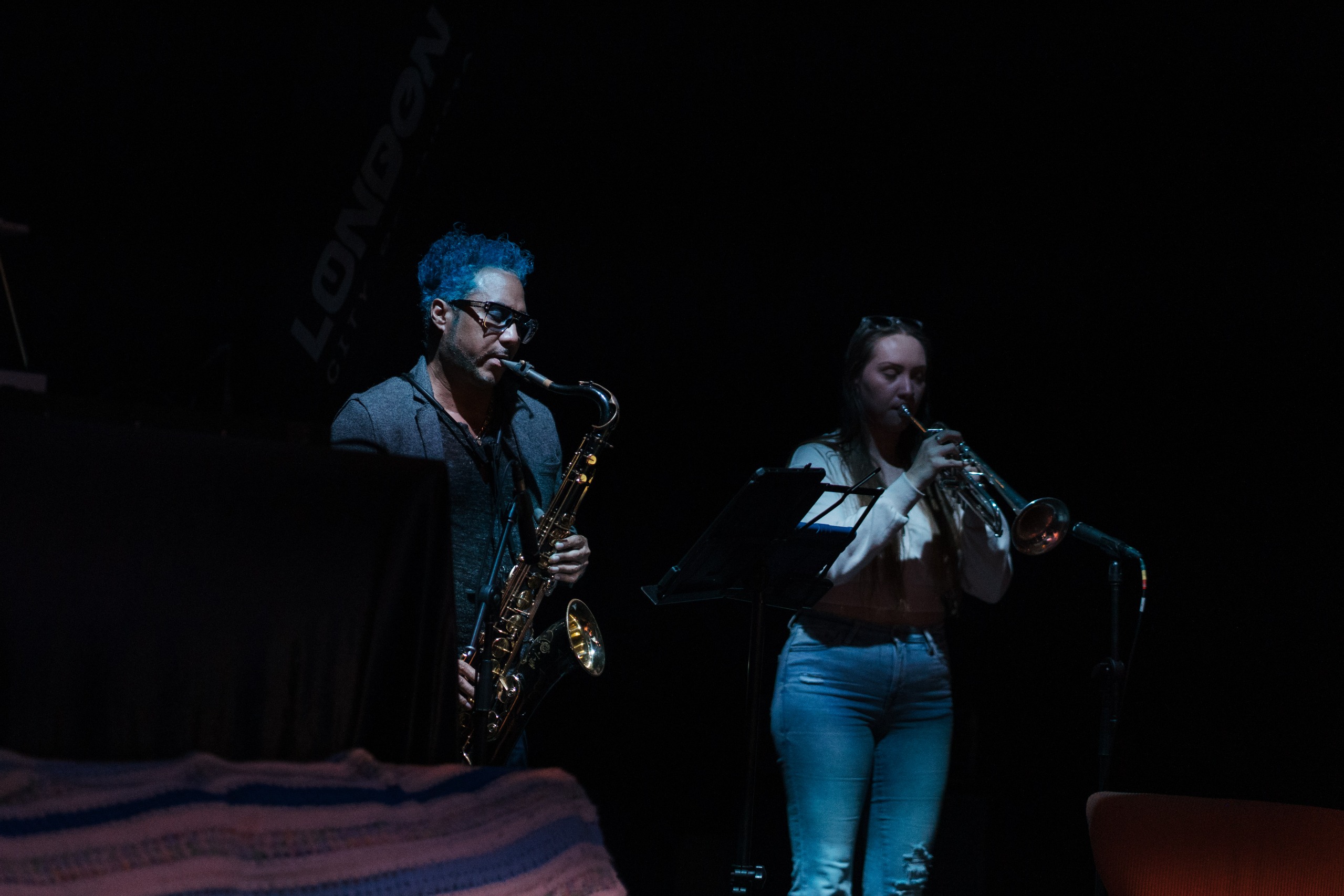
- London’s UNESCO City of Music designation opens real doors for local musicians. It means more eyes on London talent, more opportunities to perform and stronger support through policies designed with artists in mind.
- With increased funding, tourism, and investment flowing into the music sector, more opportunities are being created for artists, along with greater support for festivals and stronger career pathways right here at home. The City’s UNESCO City of Music Action Plan further enhances access to programs, industry resources and meaningful partnerships that help artists grow their craft and build sustainable careers.
- The designation connects London musicians to a global network, creating opportunities for international collaborations, exchanges and performances. It puts local talent on a bigger stage, making it easier to build an audience, expand reach, and succeed both nationally and beyond.
- London's UNESCO City of Music designation is led by the London Music Office with core team support from Tourism London and the City of London, with additional support and collaboration from the London Arts Council, London Economic Development Corporation and the London Chamber of Commerce.
- The London Music Office is working to establish a new resource group to help steer the designation. The resource group will consist of members of the local music industry.
The United Nations (UN) Sustainable Development Goals underpin London's UNESCO City of Music Designation. The City of London commits to sustainable practices while implementing the designation. What does this look like?
- London UNESCO City of Music projects align with the SDGs. Some examples of SDG alignment include:
- Artists are paid fairly when performing at a City of London event as per SDG #8: Decent Work and Economic Growth.
- Projects work towards SDG #5 Gender Equality by presenting a gender balanced line-up of artists.
- Local events and organizations are supported by The City of London offer inclusive programming across cultures and genres of music supporting SDG #10 Reduced Inequalities.
- Visit the London Music Office Artist Profiles.
- Create your own Artist Profile here.
- A detailed directory of London’s music businesses are outlined on this directory including music venues, studios, retail stores and more.